Electricity use sensor Circuit Diagram

Electricity use sensor Circuit Diagram controls and light sources energy code compliance devices wiring control zoning commissioning detailed descriptions and general performance specifications for programmable scheduling controls, light sensors, occupancy sensors and radio-frequency wireless controls lighting plan sketches providing application examples.
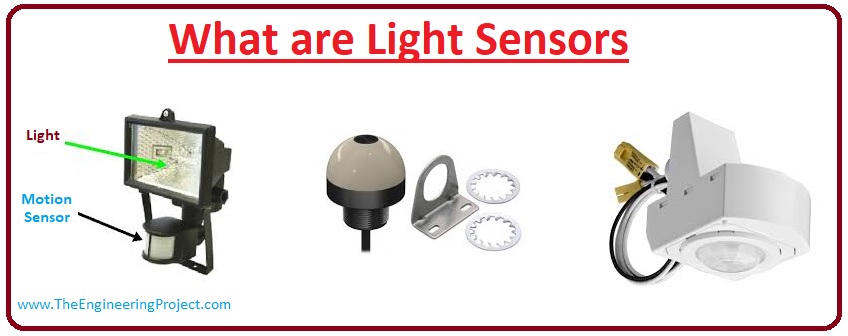
With the increasing demand for energy efficiency, smart automation, and intelligent devices, the applications of light sensors are expected to grow even further in the future. By harnessing the power of light sensors, we can create smarter, more responsive, and more efficient systems that enhance our lives and contribute to a more sustainable Estimating energy savings resulting from installation of more-efficient light fixtures and lighting systems is fairly straightforward, being based on the difference in wattage. however, can be challenging, as actual savings will depend on application characteristics such as occupant behavior, building design, site orientation, availability
PDF Exterior Lighting Control Guidance Circuit Diagram
Occupancy sensors must be located where they will detect occupants or occupant activity in all parts of the room. Ultrasonic sensors detect sound, while infrared sensors detect heat and motion. In addition to controlling ambient lighting in a room, they are useful for task lighting applications such as over kitchen counters.

By tapping into this phenomenon, light sensors can detect and measure light intensity, providing valuable data for energy-saving applications. 2. Photoconductive Effect. In photoconductive sensors, materials change their electrical resistance when exposed to light. Cadmium sulfide (CdS) cells, for example, become more conductive as light

Department of Energy Circuit Diagram
A system comprising an ambient light sensor, microcontroller, power supply module, dimming controller, and lamp was developed. system that contributes to energy savings through the use of
